

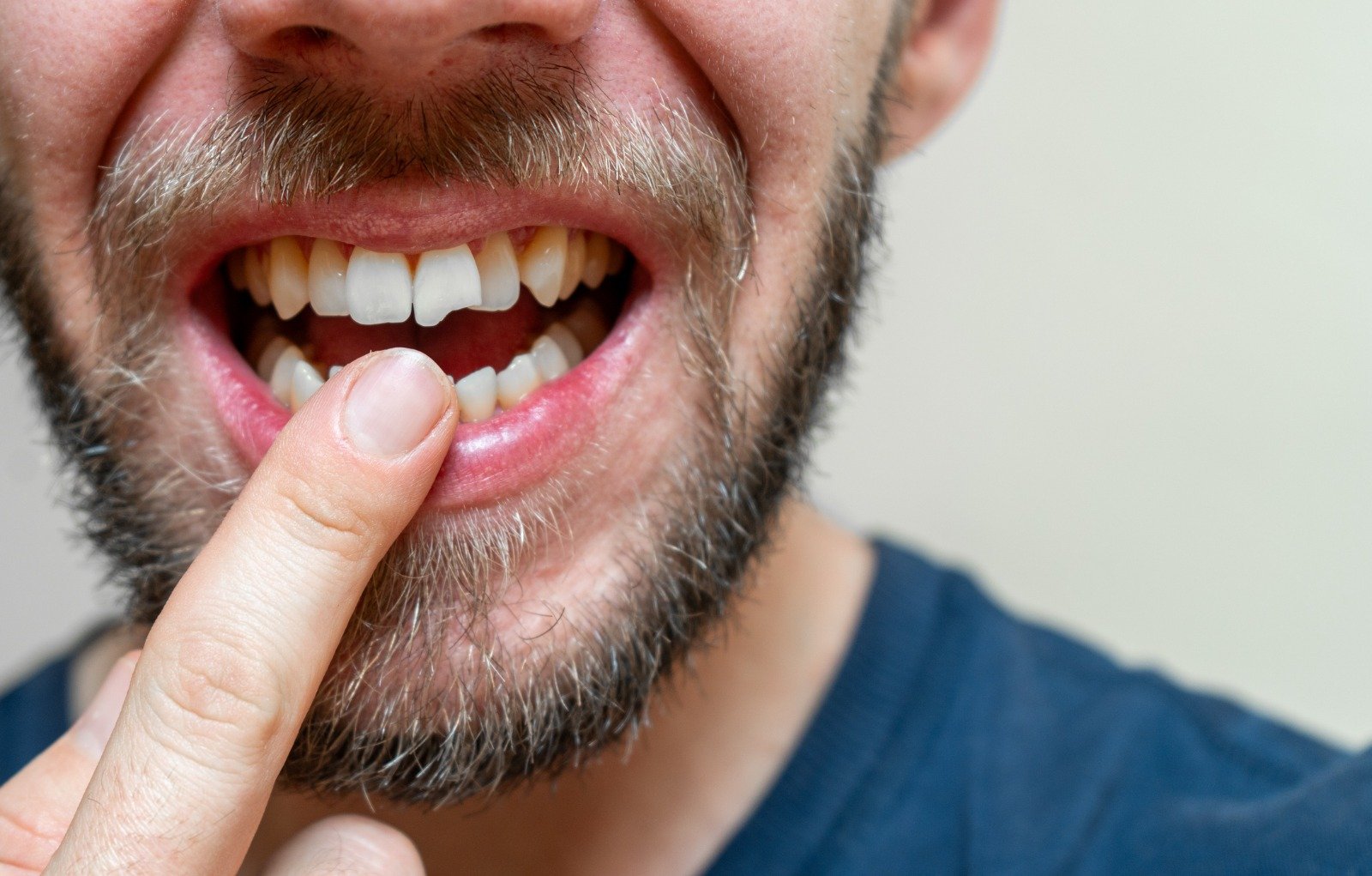

Biting into a hard nut, chewing an unpopped popcorn kernel or even regularly crunching ice may seem harmless, but these habits can contribute to cracks and fractures, particularly when the tooth is already structurally compromised. In Brazil, dental trauma remains a significant oral-health concern. Data published in the scientific journal Arquivos em Odontologia by the Faculty of Dentistry of the Federal University of Minas Gerais (FO-UFMG) recorded more than 1.65 million cases of dental trauma between 2014 and 2023.
Although there is no specific national survey measuring how many dental fractures are directly caused by food, dentists frequently encounter fractures associated with hard foods and habits that place excessive mechanical stress on teeth.
According to Dr Fernando Igai, president of the Dental Prosthesis Technical Chamber of the Regional Council of Dentistry of São Paulo (CROSP), the food itself is often not the only cause of a fracture. The condition of the tooth plays a major role.
"One of the main factors that weakens a tooth is the loss of dental structure caused by decay, extensive restorations or endodontic treatment performed on teeth with little remaining structure. Under these conditions, the risk of fracture increases significantly."
Which foods require the most caution?
Some foods and substances are particularly hard and can place considerable pressure on the dental structure. These include:
Nuts, particularly when bitten forcefully;
Ice, especially when deliberately chewed;
Hard sweets and boiled sweets;
Popcorn kernels that have not fully popped;
Pork crackling and other very hard foods;
Bones, when bitten directly;
Other foods or substances that require excessive force to break.
The risk can be higher when a person repeatedly uses their teeth to crush hard substances rather than simply chewing softer foods.
Temperature can also play a role in certain circumstances. According to Dr Fernando Igai, thermal changes may contribute to dental stress.
"Very hard foods or thermal shock caused by eating a hot food immediately after a cold food can also contribute to a fracture."
This does not mean that eating hot and cold foods together will inevitably break a healthy tooth. Rather, the specialist highlights temperature changes as one of several factors that may contribute to structural stress, particularly in teeth that are already vulnerable.
Why weakened teeth are more susceptible
Healthy teeth can withstand considerable forces during normal chewing. However, the loss of dental structure can reduce their resistance.
Untreated or extensive dental decay, large restorations and certain endodontically treated teeth can leave less natural tooth structure available to absorb chewing forces. In these circumstances, biting down on a particularly hard object can result in a crack, chip or more extensive fracture.
This is why the same food may be harmless for one person but cause significant damage to another person's tooth.
What should you do if a tooth breaks?
Anyone who notices a crack, chip or fracture should arrange a dental assessment as soon as possible. A dentist can examine the tooth and determine how extensive the damage is before deciding on the appropriate treatment.
The treatment depends on the severity and location of the fracture.
"Treatment depends on the severity of the injury. In simpler cases, a restoration may solve the problem. When the fracture is more extensive, root canal treatment and the placement of a prosthetic crown may be necessary. In the most severe situations, when the tooth cannot be restored, extraction followed by the placement of an implant and prosthesis may be indicated," explains Dr Fernando.
Prompt assessment is particularly important when a fractured tooth is accompanied by pain, sensitivity, swelling or difficulty chewing, as these symptoms may indicate deeper involvement.
A fractured tooth is not only an aesthetic problem
A broken tooth can affect much more than the appearance of a smile. Damage to a tooth can interfere with chewing and, when several teeth are affected, can contribute to changes in the way the jaws meet.
"Beyond aesthetics, a fractured tooth compromises chewing. When several dental elements are fractured, there can be a loss of vertical dimension, which may lead to muscle problems, temporomandibular joint dysfunction and pain," concludes the specialist.
For people in Brazil, the key message is that prevention goes beyond simply avoiding a particular food. Maintaining regular dental examinations, treating decay promptly and monitoring teeth with extensive restorations can help identify structural weaknesses before they become more serious.
Hard foods do not automatically fracture healthy teeth, but repeatedly biting ice, unpopped popcorn kernels, hard sweets or other rigid substances can place unnecessary stress on the teeth. When a tooth is already weakened, avoiding these habits and seeking professional dental advice can help reduce the risk of a potentially complex fracture.