

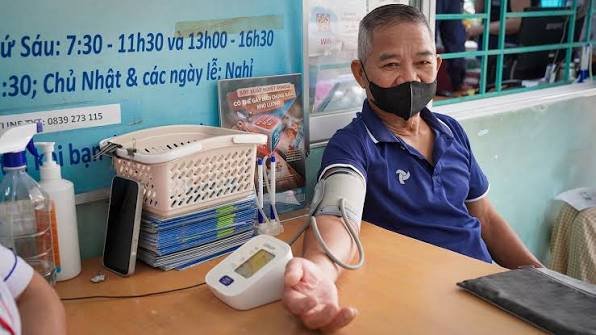

Viet Nam is expanding community-based services for hypertension and diabetes as the country seeks to strengthen prevention and management of non-communicable diseases.
With support from WHO and Resolve to Save Lives, health authorities have developed a model that brings blood-pressure screening and hypertension management closer to people's homes. The programme currently screens around 10 million people each year and provides treatment to more than 2 million.
The initiative reflects a growing need for chronic disease management in Viet Nam. Cardiovascular disease, diabetes, cancer and chronic respiratory diseases represent important causes of illness and disability, while changes in diet and lifestyle are contributing to increased exposure to several risk factors.
Hypertension is particularly important because many people can live with elevated blood pressure without obvious symptoms. Regular screening can identify people who might otherwise remain undiagnosed until complications develop.
Once diagnosed, patients may require long-term monitoring and treatment. Community-based services can make this process more accessible by reducing the need for people to travel to hospitals for every stage of their care.
The model also aims to strengthen continuity. Rather than treating a diagnosis as an isolated event, local healthcare workers can monitor patients over time, encourage adherence to treatment and identify changes that may require additional medical attention.
Nutrition is another important part of Viet Nam's prevention strategy. WHO has warned about increasing consumption of ultra-processed foods, fast food and sugary drinks, which can contribute to unhealthy dietary patterns and increase exposure to risk factors associated with chronic diseases.
The government is therefore combining clinical management with broader prevention measures. This includes efforts to promote healthier diets and improve the ability of primary healthcare services to address chronic conditions.
The Vietnamese experience demonstrates how strengthening primary care can help healthcare systems respond to diseases that require continuous management. Bringing screening and treatment into local communities may also help reduce inequalities in access to care, particularly for people who live far from major hospitals.