

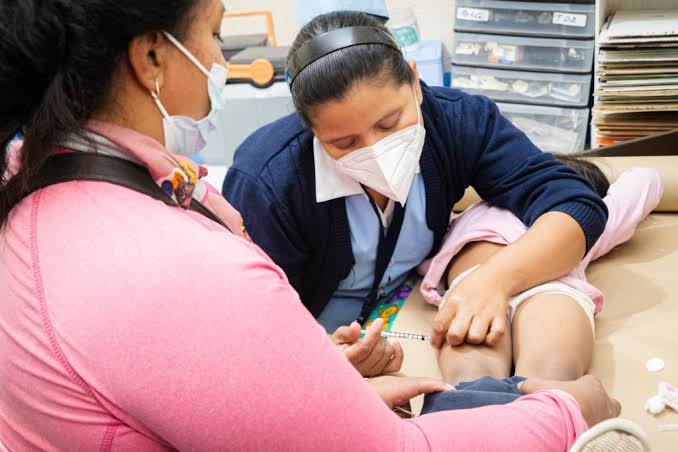

Vaccination remains one of the most important tools in public health, protecting communities against infectious diseases that can cause severe illness and death. However, disruptions to health services and unequal access have created gaps in immunisation coverage in some parts of the world.
The consequences can be seen when vaccination levels fall below the threshold needed to protect communities. Diseases that were previously controlled may begin to reappear, particularly among populations with limited access to routine healthcare.
The World Health Organization's 2026 global health statistics report highlighted continuing inequalities in immunisation. While some countries have achieved high coverage, others continue to face difficulties reaching children and vulnerable populations.
Human papillomavirus vaccination has also become an important area of global prevention. The WHO reported improvements in global HPV vaccination coverage following the introduction of simplified single-dose schedules.
Countries such as the United Kingdom have established routine vaccination programmes, while other nations continue to expand access through school-based and community initiatives. However, vaccine confidence and misinformation remain additional challenges.
The global vaccination agenda therefore involves more than developing new vaccines. Governments must ensure reliable supply chains, accessible healthcare services and effective communication so that people can receive recommended immunisations regardless of where they live.