

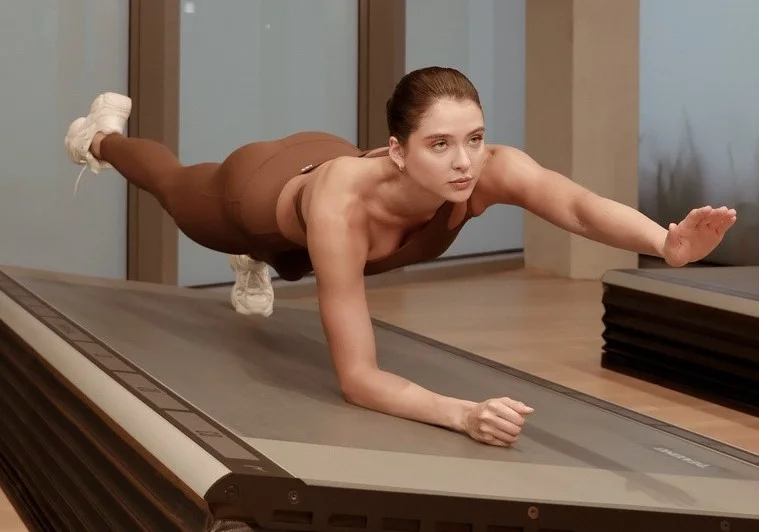

Being able to touch the tip of your nose with your eyes closed or climb a staircase without looking at your feet may seem effortless, but these movements depend on a sophisticated physiological mechanism known as proprioception. Sometimes described as the body's "sixth sense", proprioception enables the brain to understand where the body is positioned in space and how it is moving.
In Brazil, the concept is gaining increasing attention in physical training programmes focused not only on athletic performance but also on healthy ageing, mobility and independence. By providing continuous information about the position and movement of muscles, joints and limbs, proprioception contributes to balance, motor coordination, joint stability and safe movement.
Although proprioception is naturally stimulated during everyday activities, specialists say it can also be strengthened through targeted exercises. André Trombini, director of VICCI Studio and creator of the VICCI Method, says the subject has become increasingly relevant as participation in physical activity grows and populations age.
"When proprioception is well developed, the body responds more quickly and accurately to movement challenges. This means better balance, greater motor control and safer, more efficient movement, both for athletes and for people who want to age independently."
Why proprioception matters at every age
The importance of proprioception extends far beyond competitive sport. Everyday activities such as walking, climbing stairs, carrying shopping or playing with children require the nervous system to constantly process information about body position and movement.
For older adults, maintaining these abilities can be particularly important. Reduced balance and coordination can increase the likelihood of falls, which are a major cause of injury and hospitalisation among older populations.
For people who exercise regularly, proprioceptive training may help the body respond more efficiently to sudden changes in direction, impact and unstable surfaces. These adaptations can improve the ability to control movement when faced with unexpected physical demands.
Trombini stresses that proprioception should not be considered an exclusive tool for elite athletes.
"It is an essential capacity for everyone. Walking, climbing stairs, carrying groceries or playing with children requires the body to know exactly where it is and how to respond to different stimuli. The better the communication between the brain and the body, the safer and more efficient movement becomes."
What does the research show?
The potential benefits of proprioceptive training have also been investigated scientifically. A systematic review published in Sports Medicine - Open brought together evidence from 70 studies examining proprioceptive training and reported an average improvement of approximately 46% in proprioception and 45% in motor performance following training interventions.
These findings reinforce the potential role of proprioceptive exercises in improving neuromuscular control and functional performance, although individual responses can vary depending on factors such as age, fitness level, training history and the type of intervention used.
Combining movement, cognition and stability
At VICCI Studio in Brazil, proprioceptive training is incorporated into an integrated approach that combines mobility, stability, strength, coordination and neuromuscular control. Exercises are adapted according to each individual's physical characteristics and objectives.
Technology is also becoming increasingly prominent in this type of training. Equipment capable of creating multisensory challenges and monitoring physical responses can allow professionals to adjust exercises according to an individual's performance and progression.
According to the studio, movement platforms and specialised equipment can simultaneously stimulate motor, cognitive and sensory systems. By continuously challenging the neuromuscular system, these exercises require rapid responses and can be used to train balance, coordination, reaction time and body control in a personalised environment.
A role in healthy ageing
The growing interest in proprioception reflects a broader shift in how physical health and longevity are understood. Rather than focusing exclusively on strength or cardiovascular fitness, specialists increasingly emphasise the importance of movement quality, stability and the ability to adapt to changing physical demands.
Trombini believes this broader perspective is essential for maintaining independence throughout life.
"Today we understand that health and performance depend on much more than strength or cardiovascular fitness. Movement control, stability and the body's ability to adapt are equally important for promoting wellbeing and longevity."
As Brazil continues to experience demographic ageing alongside growing interest in personalised exercise and preventive health, proprioceptive training may become increasingly relevant to programmes designed to preserve mobility and independence.
From helping an athlete react to an unexpected change in direction to helping an older adult maintain stability while walking, the body's ability to sense its own position plays a fundamental role in everyday movement. With personalised, evidence-informed training, proprioception is moving beyond the world of elite sport and becoming part of broader strategies aimed at health, functional independence and active longevity.