

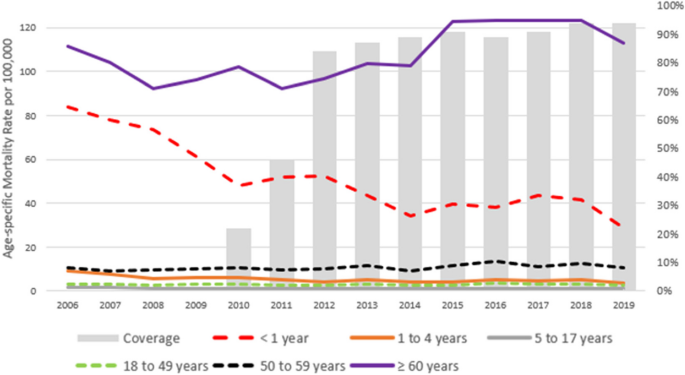

Researchers in South Korea have analysed long-term health data to examine the relationship between childhood pneumococcal vaccination and pneumonia among adults.
The country introduced the 13-valent pneumococcal conjugate vaccine into its national childhood immunisation programme in 2014. Researchers have now used subsequent population-level data to investigate whether the intervention translated into a reduction in the burden of pneumonia later in life.
The study highlights the complexity of measuring the broader effects of vaccination programmes. Protection against infectious disease can depend not only on childhood immunisation coverage, but also on circulating bacterial strains, age, underlying health conditions and other factors.
Long-term surveillance remains important for determining how vaccination programmes influence disease patterns across different age groups. The South Korean experience provides additional evidence for evaluating the population-wide effects of pneumococcal prevention strategies.