

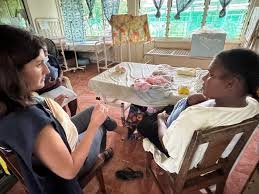

The Solomon Islands has reached an important milestone in maternal and newborn health after introducing Early Essential Newborn Care in most of its facilities providing childbirth services.
According to a World Health Organization report, the approach had been introduced in 37 of 44 birth facilities, representing 84% of facilities, by 2019. A total of 559 health workers had received coaching in the programme.
Early Essential Newborn Care focuses on practices during the first hours after birth, a period when appropriate care can have a significant effect on the health of a newborn. Among the measures promoted is immediate skin-to-skin contact between mother and baby, which helps maintain the infant's body temperature and supports early breastfeeding.
The approach also seeks to strengthen the routine care provided immediately after delivery rather than relying exclusively on interventions after complications have already developed.
For newborns, maintaining body temperature is particularly important because babies can lose heat rapidly after birth. Early breastfeeding also provides nutritional support and helps establish feeding during the first hours of life.
The Solomon Islands faces geographical challenges in delivering healthcare because communities are spread across numerous islands. Strengthening care within existing birth facilities can therefore be particularly important for families who may have difficulty reaching specialist services.
The progress reported by WHO is part of a wider regional effort to improve maternal and newborn care across the Western Pacific. The organisation's assessment also identifies areas where countries need to maintain and improve the quality of services rather than simply increase the number of facilities adopting the programme.
Training healthcare workers is a central part of this process. Ensuring that staff understand evidence-based newborn practices allows essential interventions to become part of routine maternity care.
For the Solomon Islands, reaching the regional target represents progress, but maintaining high-quality implementation will remain essential. The next challenge is to ensure that newborns receive consistent care regardless of where they are born and that families can access appropriate follow-up when additional medical attention is required.