

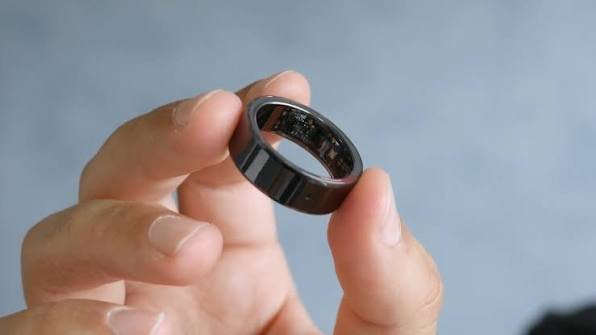

Wearable health technology continues to gain momentum worldwide, with smart rings emerging as one of the fastest-growing tools for personal health monitoring. According to the International Data Corporation (IDC), the global wearables market expanded by 9.1% in 2025, driven largely by increasing consumer interest in devices that track health and wellbeing. In Brazil, smart rings are attracting attention for their discreet design and ability to monitor key physiological indicators such as sleep quality, heart rate, physical recovery and daily activity.
Unlike traditional fitness trackers or smartwatches, smart rings are designed for continuous wear, allowing users to collect health data around the clock. This ongoing monitoring provides a broader picture of lifestyle patterns that may influence both physical and mental health.
According to Bruna Makluf, Nutrition Director at WeFit in Brazil and a specialist in metabolic and gut health, growing interest in wearable technology reflects a wider shift in how people approach personal wellbeing.
"For many years, nutrition was viewed almost in isolation. Today we understand that sleep, physical recovery, stress and daily habits all influence how the body responds. Smart devices help us visualise these patterns, but they must always be interpreted within the context of each individual."
The increased focus on sleep aligns with evolving scientific evidence. In its 2025 update, the American Heart Association formally recognised sleep quality as one of the essential pillars of cardiovascular and metabolic health, alongside healthy nutrition, regular physical activity and effective management of cardiovascular risk factors.
Because smart rings collect data continuously over a 24-hour period, they may reveal behavioural patterns that users would otherwise overlook. Poor sleep quality, inadequate recovery after exercise and persistently elevated stress levels often develop gradually and may not become apparent until symptoms such as fatigue, reduced concentration or declining physical performance emerge.
Makluf explains that visualising these trends can help individuals connect lifestyle habits with changes in wellbeing.
"Many people do not realise they have been sleeping poorly for weeks or that their bodies never fully recover between training sessions. When this information is organised over time, it becomes much easier to understand how daily routines relate to symptoms such as fatigue, difficulty losing weight or reduced energy."
Supporting personalised healthcare
Within Brazil, smart rings are increasingly being incorporated into personalised nutrition and wellness programmes. At WeFit, the devices complement nutritional consultations by providing objective information collected between appointments. Rather than relying solely on patients' recollection of their daily routines, healthcare professionals can analyse patterns in sleep, activity and recovery alongside laboratory tests, medical history and dietary assessments.
The technology may be particularly useful for people who:
Wish to better understand their body's natural rhythms despite having no diagnosed medical condition.
Experience unexplained fluctuations in weight, energy levels or daily performance.
Are undertaking weight management or lifestyle modification programmes.
Have already completed genetic or gut microbiome testing and wish to complement those findings with lifestyle data.
Find it difficult to accurately report sleeping, exercise or recovery habits during medical or nutritional consultations.
Technology cannot replace clinical judgement
Despite the growing sophistication of wearable devices, specialists emphasise that smart rings are not diagnostic tools. While they generate valuable physiological information, the data require careful interpretation by qualified healthcare professionals.
Makluf believes one of the most common misconceptions is that wearable technology provides definitive health answers.
"A smart ring expands our understanding of daily habits, but it does not diagnose diseases or independently determine what should be changed. The information must always be evaluated alongside nutrition, laboratory results, medical history and individual health goals. A single number rarely explains the full picture."
She also warns that constant access to health metrics can sometimes become a source of unnecessary anxiety.
"Technology should help people understand long-term trends rather than create pressure to achieve perfect scores every day. The human body naturally fluctuates, and those variations are part of normal physiology. The focus should always be on patterns observed over time."
Using smart rings responsibly
Health professionals recommend several principles for making the most of wearable technology:
Focus on long-term trends rather than isolated daily measurements.
Avoid comparing personal health metrics with those of other individuals.
Never self-diagnose based solely on wearable data.
Consider sleep, nutrition, stress, physical activity and recovery together rather than interpreting any one indicator in isolation.
View wearable technology as a tool to support self-care, not as a source of constant performance pressure.
As wearable technology becomes increasingly integrated into preventive healthcare, experts believe smart rings have the potential to strengthen personalised medicine by helping individuals understand how lifestyle factors affect their health. In Brazil, as in many other countries, their greatest value lies not in replacing professional care but in providing continuous data that support more informed conversations between patients and healthcare professionals.