

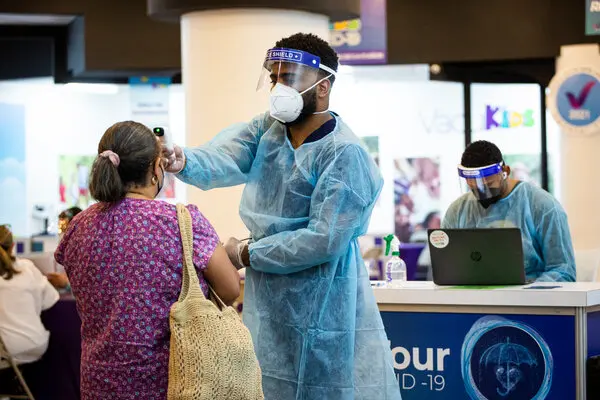

The experience of COVID-19 fundamentally changed how governments and health organisations approach pandemic preparedness. Although the acute phase of the crisis has passed, the possibility of another large-scale outbreak remains a major concern for public health authorities around the world.
The risk is not limited to a single type of pathogen. New infectious diseases can emerge through complex interactions between humans, animals and the environment. The World Health Organization has highlighted the importance of surveillance systems capable of identifying unusual health events before they develop into international emergencies.
International cooperation has therefore become a central component of pandemic preparedness. Countries need mechanisms for sharing information, strengthening laboratories, improving emergency response capacity and ensuring that essential medical products can be made available during crises.
The WHO reported in 2026 that progress had been made in strengthening global protection against health emergencies. Its work has included the adoption of the Pandemic Agreement and amendments to the International Health Regulations, intended to improve international preparedness and response.
The One Health approach is also gaining importance. According to the WHO, more than 60 per cent of emerging infectious diseases reported globally originate from animals, highlighting the links between human health, animal health and environmental conditions.
For countries such as the United Kingdom, the United States and Brazil, pandemic preparedness will increasingly depend on maintaining strong surveillance systems and resilient health services. The lessons of COVID-19 have demonstrated that preparation before an outbreak can be as important as the emergency response itself.