

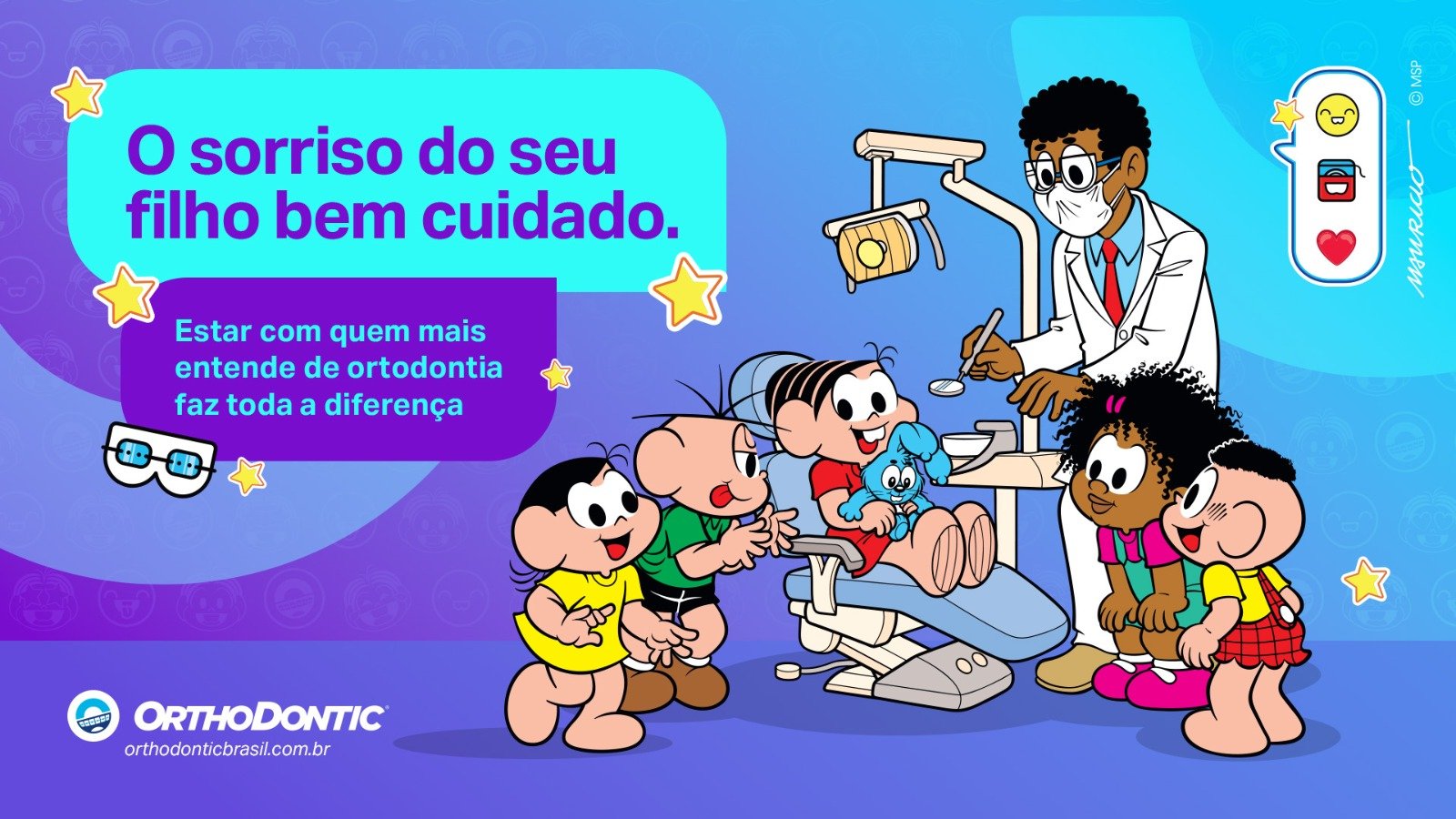

As children across Brazil return to school, dental experts are reminding families that orthodontic care should remain part of everyday routines. To help reinforce healthy habits, Mauricio de Sousa Produções, creator of the iconic Monica and Friends characters, has partnered with OrthoDontic, Brazil's largest orthodontic franchise network, to launch "Smiling Is an Adventure", a free educational comic designed to make oral health engaging for children and teenagers.
The publication follows Monica, Cebolinha, Magali, Cascão and their friends as they visit Dr Dentelis, an orthodontist who explains how braces work and why proper care is essential throughout treatment. The initiative aims to encourage young patients and their families to adopt healthy habits that support successful orthodontic outcomes.
According to Claudia Consalter, orthodontist and co-founder of OrthoDontic, returning to school is the ideal time to reinforce these daily routines.
"Orthodontic treatment becomes part of a child's or teenager's everyday life and needs to continue during the school term. Families can help reinforce wearing schedules, healthy eating habits and the importance of brushing after meals," says Consalter.
Wearing braces consistently is essential
One of the first lessons highlighted in the comic is the importance of wearing removable orthodontic appliances exactly as prescribed.
Patients are advised to use their braces every day for the recommended number of hours. Although removable appliances may be taken out during meals, they should be replaced immediately after eating and brushing the teeth.
"The duration of daily wear depends on the type of orthodontic appliance and each patient's individual treatment plan. Following the orthodontist's instructions is essential for treatment to progress as expected," the educational guide explains.
Experts warn that leaving removable braces out for extended periods can significantly delay treatment.
Proper storage helps prevent damage and loss
The comic also encourages children to store removable appliances in their protective case whenever they are not being worn, particularly during school meals.
Keeping braces wrapped in tissues or napkins can easily lead to accidental disposal, while placing them loosely in bags increases the risk of breakage or contamination.
Developing this simple habit helps preserve the appliance and avoids unnecessary replacement costs.
Good oral hygiene becomes even more important
Maintaining excellent oral hygiene is another key message throughout the story.
Children wearing removable braces should brush their teeth before replacing the appliance after every meal. Those with fixed braces require even greater care, as food particles can become trapped around brackets and wires, increasing the risk of plaque accumulation, tooth decay and gum disease.
Regular brushing and thorough cleaning around orthodontic appliances are essential to maintaining healthy teeth throughout treatment.
Choosing foods carefully protects braces
The comic teaches children to avoid foods that could damage orthodontic appliances.
Hard or crunchy foods—including lollipops, hard sweets, peanuts, nuts, toast and crusty bread—may loosen brackets or bend orthodontic wires.
Sticky foods such as chewing gum, caramel sweets, jelly confectionery, filled chocolates, raisins and dried apricots can also cling to braces, making cleaning more difficult and increasing the likelihood of damage.
Instead of eliminating certain nutritious foods altogether, the guide recommends adapting how they are eaten.
Cutting food into smaller pieces reduces risk
Foods such as apples, pears, corn on the cob and large sandwiches can still be enjoyed by children undergoing orthodontic treatment.
Rather than biting directly into these foods with the front teeth, the comic advises cutting them into smaller bite-sized pieces before eating. This simple adjustment reduces pressure on brackets and wires while allowing children to maintain a balanced diet.
Report discomfort to the orthodontist
Some discomfort is common when braces are first fitted or adjusted. However, persistent pain or appliances that injure the inside of the mouth should never be ignored.
"If braces hurt the mouth, children or teenagers should tell their parents or caregivers and inform their orthodontist. Discomfort should not be ignored, particularly if it interferes with eating, speaking or wearing the appliance properly," the comic advises.
Following orthodontic adjustments, soft foods such as soups, mashed potatoes, scrambled eggs, smoothies and well-cooked rice may help reduce discomfort while the mouth adapts.
Building healthy habits through education
By combining familiar characters with practical health advice, the initiative aims to make orthodontic care easier for children to understand and apply. The story demonstrates that wearing braces does not prevent children from studying, playing or enjoying everyday life, provided they follow professional guidance and receive support from their families.
As more children begin orthodontic treatment across Brazil, dental professionals believe educational resources like "Smiling Is an Adventure" can help improve treatment adherence, strengthen oral hygiene habits and encourage healthier smiles that last well beyond childhood.