
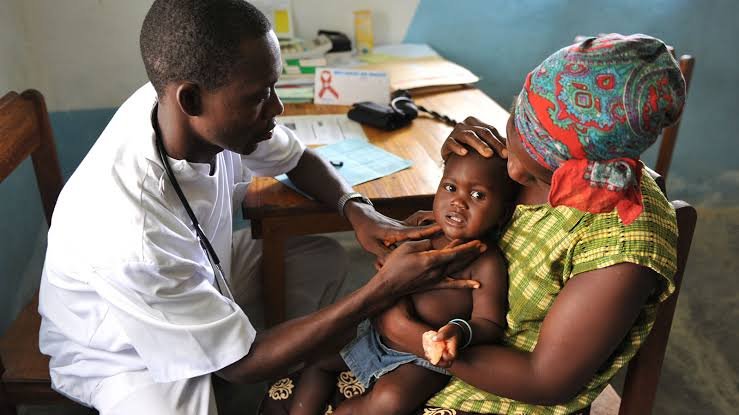

Maternal and child health remain major indicators of the strength of healthcare systems. While substantial progress has been made in many countries, significant inequalities continue to affect women and children in different parts of the world.
Access to prenatal care, skilled birth attendance and emergency obstetric services can make a major difference to maternal outcomes. However, women living in remote or underserved communities may face difficulties reaching appropriate healthcare facilities.
Child health is similarly influenced by access to vaccination, nutrition, clean water and medical treatment. Preventable conditions can become life-threatening when basic services are unavailable or delayed.
The World Health Organization has identified maternal and child health as important components of universal health coverage. Progress depends not only on medical services but also on broader social and economic conditions.
Countries with stronger healthcare infrastructure generally have greater capacity to provide comprehensive maternal and child services. In lower-resource settings, however, shortages of healthcare workers and facilities can create significant barriers.
Improving outcomes will require sustained investment in primary healthcare and community services. Ensuring that mothers and children can access essential care remains one of the most important priorities in global health.