

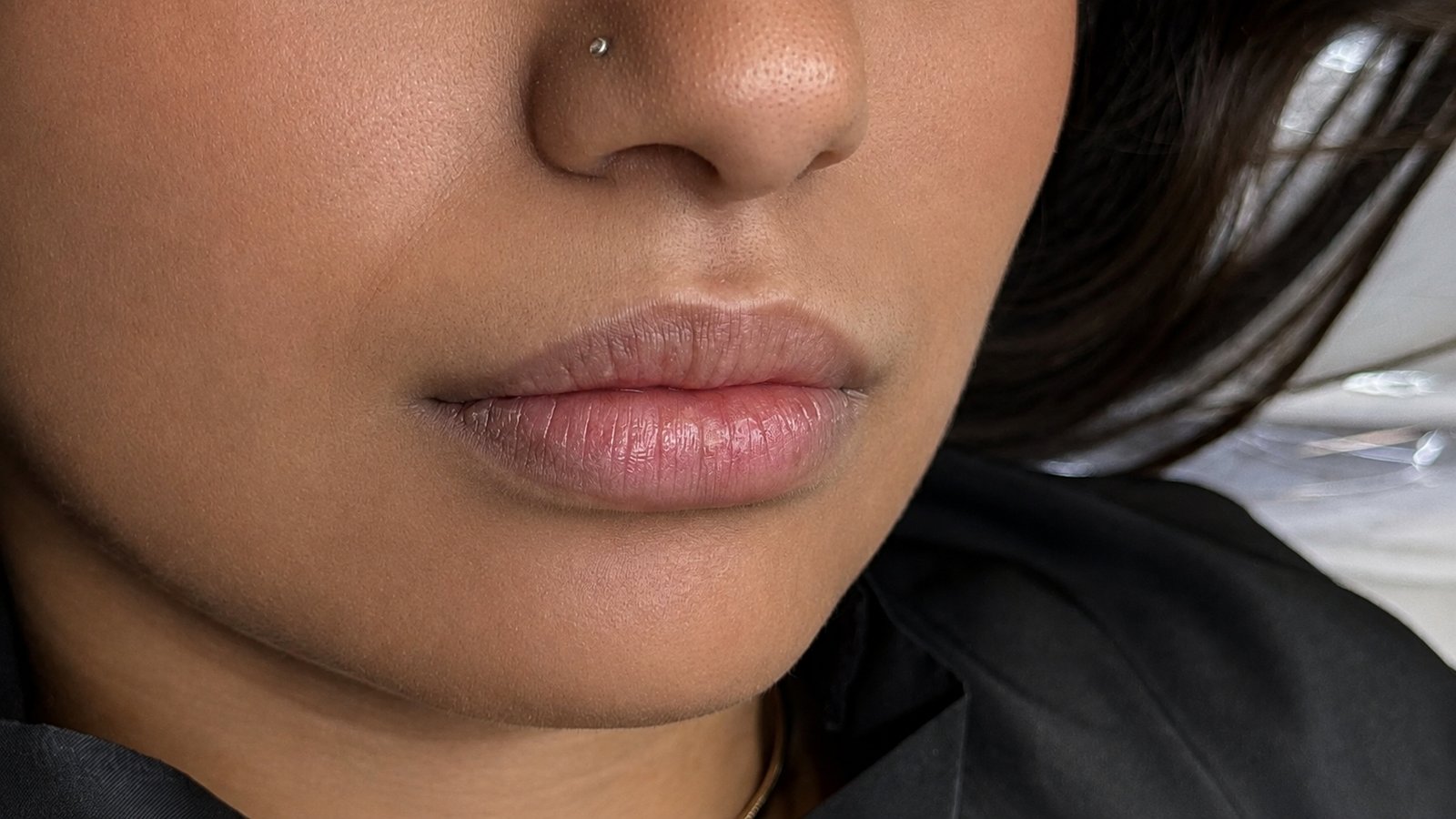

The growing demand for less invasive aesthetic procedures with subtle results is reshaping Brazil's beauty industry. Rather than seeking dramatic changes, an increasing number of women are turning to techniques designed to enhance their natural features, reduce reliance on daily make-up and provide greater convenience.
One of the procedures gaining visibility is lip blush, also known as lip micropigmentation. The technique has attracted women who want to enhance lip colour, improve the appearance of the lip contour, minimise visible differences in pigmentation and create a healthier-looking appearance without adding volume.
The trend reflects the continued expansion of Brazil's aesthetics and personal-care market. Data from the International Society of Aesthetic Plastic Surgery (ISAPS) has consistently placed Brazil among the world's leading markets for aesthetic procedures, while figures from the Brazilian Association of the Personal Hygiene, Perfumery and Cosmetics Industry (ABIHPEC) point to continued growth in the country's beauty and personal-care sector.
Luiz Ferraz, a micropigmentation specialist and partner at Duo+, who focuses on aesthetic procedures involving the lips and eyebrows, has observed the shift in consumer preferences. Among his recent clients was influencer Gabriela Saporito, a former participant in Big Brother Brasil, who sought the technique to enhance her natural lip colour and achieve a more even appearance.
What is lip blush and how does it work?
Lip blush is an aesthetic micropigmentation procedure in which compatible pigments are deposited into the superficial layer of the skin using a dermograph. The technique is intended to improve colour uniformity, address minor visual asymmetries, redefine the appearance of the lip contour and create a healthier-looking tone.
Unlike hyaluronic acid fillers, lip micropigmentation does not increase lip volume or alter the underlying structure of the lips. Fillers are designed primarily to modify volume and contour, whereas micropigmentation focuses on colour and visual definition.
"Demand has changed considerably in recent years. Today, clients do not want to transform their lips. They want to wake up with a healthy-looking appearance, an even colour and definition without depending on lipstick all the time. The goal is to enhance the beauty they already have," says Luiz.
Although the procedure is sometimes associated with traditional permanent make-up, modern lip micropigmentation has evolved considerably. Contemporary techniques use specialised pigments and approaches designed to take individual skin tones and facial characteristics into consideration.
Convenience is driving demand
According to Luiz, improvements in equipment and professional protocols have contributed to the growing interest in the procedure.
"Today we work with much greater precision. The procedure is completely personalised. We assess the shape of the lips, the skin tone and the expected result before defining the approach. This provides a light and sophisticated finish."
Convenience is another factor influencing consumer interest. Women with demanding routines may see lip micropigmentation as a way of reducing their reliance on daily make-up while maintaining a well-groomed appearance.
"People want practicality. It is very common to hear a client say that she would like to wake up already looking good, without having to reapply lipstick several times throughout the day. Lip micropigmentation provides precisely that feeling," the specialist explains.
The technique has also gained visibility among digital influencers, artists and other public figures whose appearance forms part of their professional routine. Constant exposure to cameras and social media can increase interest in aesthetic procedures that enhance facial features without producing an obviously artificial appearance.
Subtle results are becoming the new aesthetic trend
For Luiz, the growing preference for understated results represents a broader change in facial aesthetics.
"A well-executed procedure does not attract attention because it has been done. It attracts attention because the person looks rested, healthy and beautiful. That has become the real differentiator."
Personalisation is another important aspect of the technique. The intensity of the colour, the visual definition and the final finish can be adjusted according to each person's characteristics and expectations.
The resulting effect is generally intended to remain subtle while bringing greater visual vitality to the lips and reducing the appearance of pigmentation differences that may be associated with ageing, sun exposure or genetic factors.
Professional assessment remains essential
Despite its growing popularity, lip micropigmentation is still an aesthetic procedure that requires individual assessment. Before treatment, the professional should evaluate the client's expectations, identify potential contraindications and determine which pigment and technique are appropriate.
The procedure should be performed by a properly qualified professional following an individual assessment. The longevity of the pigmentation can vary according to factors including metabolism, sun exposure, aftercare and individual skin characteristics. Periodic touch-ups may therefore be recommended to maintain the desired appearance.
It is also important to distinguish cosmetic micropigmentation from medical or dermatological treatment. Persistent changes in lip colour, lesions or other unexplained alterations should be assessed by an appropriate healthcare professional rather than treated solely as an aesthetic concern.
From transformation to enhancement
The growing popularity of lip blush among women in Brazil, including influencers and public figures, reflects a wider shift in aesthetic preferences. Instead of dramatic transformations, consumers are increasingly seeking procedures that preserve individual characteristics while providing subtle improvements.
For specialists, this represents a new generation of aesthetic treatments in which personalisation, technology and understated results play a central role.
Rather than changing the face, the emerging approach focuses on enhancing what is already there — a trend that is increasingly shaping the Brazilian aesthetics market.