

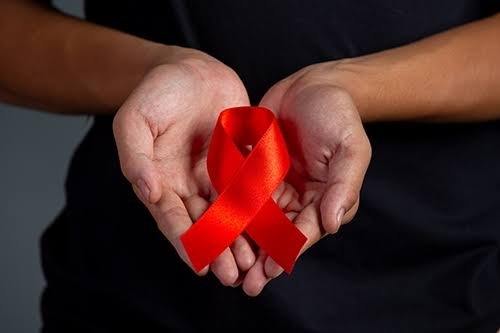

The global response to HIV has achieved significant progress over the past decades. Advances in antiretroviral therapy have transformed HIV from a potentially fatal infection into a manageable chronic condition for people who can access appropriate treatment.
The World Health Organization reported in its 2026 global health statistics that new HIV infections declined by 40 per cent between 2010 and 2024. Despite this progress, millions of people continue to live with HIV and require lifelong access to treatment.
Prevention remains a crucial part of the global response. Testing, treatment, prevention medicines and education can all contribute to reducing transmission and improving outcomes for people living with HIV.
However, health inequalities continue to affect access. Some communities face financial, geographical or social barriers that make it more difficult to obtain testing and treatment.
Countries in sub-Saharan Africa continue to carry a substantial proportion of the global HIV burden, while international funding and healthcare infrastructure remain important components of prevention and treatment programmes.
The future of HIV control will depend on maintaining progress while ensuring that vulnerable populations are not left behind. Continued investment in prevention, treatment and health services remains essential to sustaining global gains.