

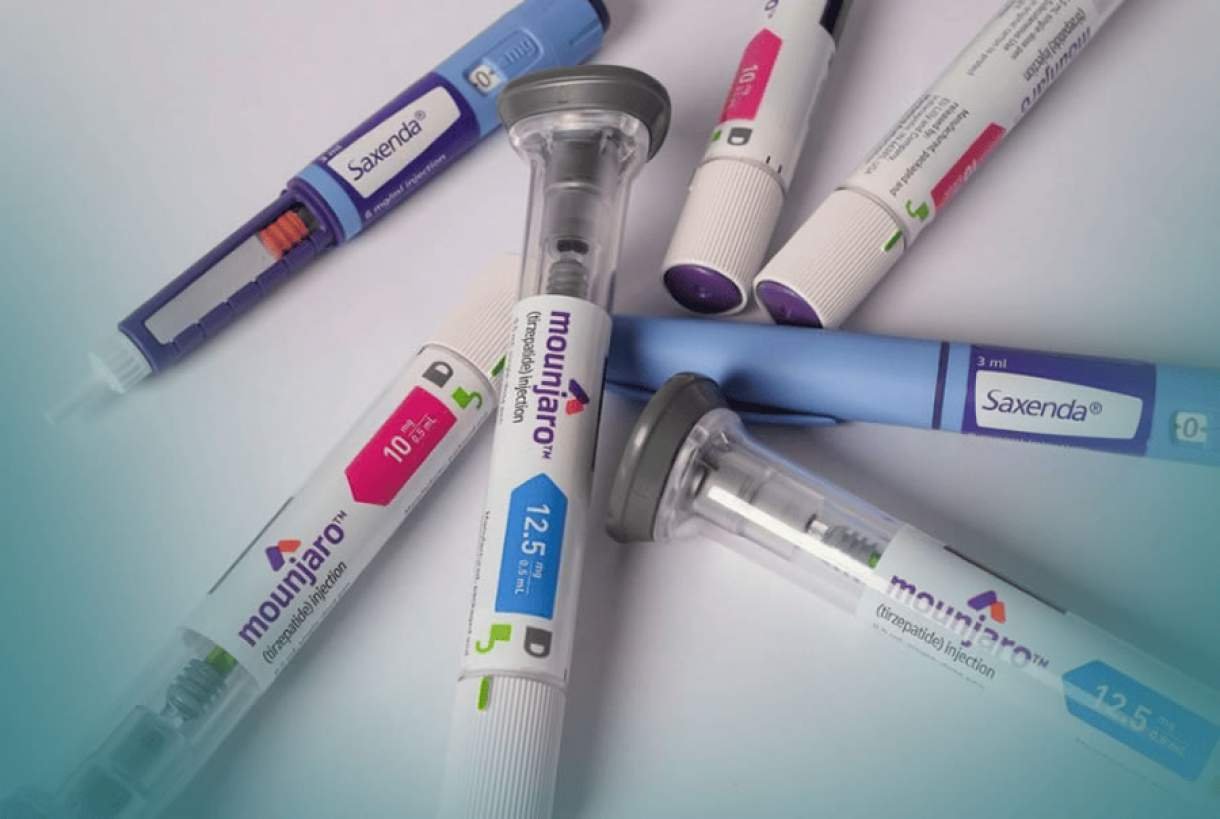

Advances in weight-loss medications have transformed obesity treatment, but healthcare professionals in Brazil are warning that achieving a healthy weight does not automatically mean a healthy heart. According to epidemiological studies highlighted by the Brazilian Society of Cardiology (SBC), around 40% of Brazilian adults have abnormal cholesterol levels, either due to elevated low-density lipoprotein (LDL) cholesterol or reduced high-density lipoprotein (HDL) cholesterol.
The prevalence is even higher among women over the age of 45 and individuals living with overweight or obesity. As Brazil marks its National Cholesterol Prevention and Control Day, specialists are encouraging people to monitor their lipid profile regularly, even if they feel healthy and have successfully lost weight.
Cholesterol often develops silently
One of the greatest challenges in preventing cardiovascular disease is that high cholesterol usually causes no noticeable symptoms.
Dr Sandra Fernandes, a specialist in nutritional medicine at Kora Saúde, says many people postpone routine blood tests because they assume feeling well means their cardiovascular health is also good.
"Weight-loss injections and new obesity treatments are valuable tools, but they do not replace investigating a person's lipid profile. It is very common to see patients who feel well and have lost weight but still have genetic factors or dietary habits that keep their LDL cholesterol elevated. Looking after the heart is an ongoing process," says Dr Fernandes.
Because elevated cholesterol can remain undetected for years, it may gradually contribute to the development of atherosclerosis, increasing the risk of heart attack and stroke.
LDL targets depend on cardiovascular risk
Medical guidelines recommend different LDL cholesterol targets according to an individual's overall cardiovascular risk.
For people considered to have a low risk of heart disease, LDL cholesterol should generally remain below 115 mg/dL. However, patients with additional risk factors—including diabetes, fatty liver disease or a family history of cardiovascular disease—may require substantially lower targets, in some cases below 40 mg/dL.
Rather than focusing solely on laboratory numbers, specialists stress that these targets are intended to reduce long-term damage to blood vessels and prevent serious cardiovascular events.
Weight loss alone is not enough
Although excess body weight is an important contributor to abnormal cholesterol, experts caution that body weight is only one part of cardiovascular health.
Genetic predisposition can influence how much cholesterol the liver produces, meaning some individuals continue to experience elevated LDL levels despite maintaining a healthy body weight.
At the same time, dietary habits remain one of the strongest modifiable risk factors.
Foods high in saturated animal fats—including fatty meats, butter and lard—are well known for increasing LDL cholesterol. However, Dr Fernandes notes that some plant-derived fats also require moderation.
"Nutritional education is a gentle but powerful ally. Including fibre from oats, vegetables and legumes, together with healthy fats such as olive oil and fish, can make a significant difference to blood lipid levels. When healthy habits need additional support, medical follow-up helps identify the best strategy for each patient. The ultimate goal is to maintain vitality and wellbeing throughout life."
She also points out that products such as coconut oil and palm oil, often perceived as healthier alternatives, contain high levels of saturated fat and may increase LDL cholesterol if consumed excessively.
Everyday habits remain the foundation of heart health
Despite growing interest in modern obesity treatments, specialists continue to emphasise that cardiovascular prevention relies on consistent lifestyle habits.
Dr Fernandes recommends three simple steps to support heart health:
Regular blood tests to monitor LDL and HDL cholesterol levels.
A balanced diet centred on natural foods while limiting ultra-processed products and saturated fats.
Consistent physical activity, which can raise protective HDL cholesterol and strengthen the cardiovascular system.
Together, these measures help reduce cardiovascular risk regardless of whether an individual is using weight-management medications.
A comprehensive approach to prevention
Healthcare professionals in Brazil believe the growing popularity of weight-loss therapies presents an opportunity to remind patients that metabolic health extends far beyond body weight.
While new medications have improved obesity management for many people, experts stress that they should complement—not replace—routine cardiovascular screening, healthy nutrition and regular exercise.
As cardiovascular disease remains one of the leading causes of death worldwide, doctors continue to encourage adults in Brazil to view cholesterol testing as an essential component of preventive healthcare, helping identify silent risks before they develop into life-threatening conditions.