

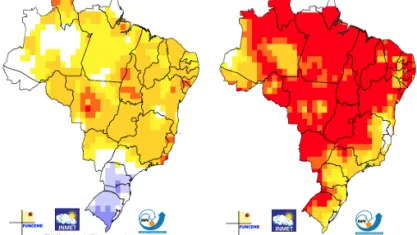

As Brazil prepares for the potential impacts of a new El Niño episode forecast for 2026, healthcare experts are once again highlighting the importance of maintaining access to medical services during climate-related emergencies. The severe flooding that struck Rio Grande do Sul, Brazil, in 2024 demonstrated that preserving healthcare delivery can be as critical as restoring transport, electricity and other essential infrastructure.
The floods caused widespread destruction, displaced thousands of families and placed enormous pressure on hospitals and healthcare providers across southern Brazil. In addition to damaged infrastructure and disrupted transport networks, many residents struggled to reach medical facilities at a time when healthcare needs were increasing rapidly.
The crisis accelerated the adoption of telemedicine as an emergency healthcare solution. During the most critical phase of the disaster, the Dr Anjo telemedicine platform, developed by the Caburé Seguros Group, provided free remote medical consultations to affected communities. The initiative offered access to 31 medical specialties and remained available free of charge for 150 days to residents living in flood-affected areas.
According to Marina Mota Pigatto, Expansion Director at the Caburé Seguros Group, the programme relied on collaboration between several public and private organisations to reach communities where conventional healthcare services had become difficult to access.
"The mobilisation brought together multiple support networks. In partnership with Claro, which helped expand awareness of the initiative, alongside local authorities, emergency shelters and participating pharmacies, the platform was able to reach communities facing significant barriers to in-person medical care. Temporary facilities were also established to assist with prescription services and patient referrals."
The initiative ultimately delivered more than R$1 million worth of free medical consultations to people affected by the disaster in Rio Grande do Sul. Its impact later received international recognition at TEAM EXPO 2025, one of the flagship programmes of Expo 2025 Osaka-Kansai in Japan, which celebrates collaborative projects involving citizens, businesses, universities, non-governmental organisations and governments working together to address social and environmental challenges.
The experience has become an important case study in disaster preparedness, illustrating how digital healthcare services can strengthen the resilience of healthcare systems during extreme weather events.
Climate-related disasters frequently disrupt access to routine healthcare by damaging medical facilities, interrupting transport networks and displacing both patients and healthcare professionals. Telemedicine has increasingly been recognised as an important tool for maintaining continuity of care under these circumstances, enabling patients to consult healthcare professionals remotely when travel becomes unsafe or impossible.
As meteorological agencies continue monitoring the development of El Niño conditions expected to influence weather patterns across Brazil during 2026, healthcare planners are considering how lessons learned from previous emergencies can improve preparedness. Beyond emergency response and infrastructure recovery, ensuring uninterrupted access to medical advice, prescriptions and specialist consultations has become an increasingly important component of disaster management.
According to Marina Mota Pigatto, the floods demonstrated that healthcare planning must extend beyond traditional emergency measures.
"The experience in Rio Grande do Sul showed that maintaining access to healthcare during a crisis is just as important as restoring roads, electricity and other essential public services. Rapid, accessible medical support can make a significant difference for thousands of families during emergencies."
The growing frequency of climate-related disasters has prompted healthcare systems worldwide to explore more resilient models of care. Digital health platforms, remote consultations and integrated emergency response networks are increasingly viewed as valuable components of public health preparedness, particularly in regions vulnerable to floods, storms and other extreme weather events.
As Brazil prepares for the possible effects of another El Niño cycle, the experience of Rio Grande do Sul serves as a reminder that safeguarding healthcare access is an essential element of disaster resilience. Experts argue that combining traditional emergency planning with digital health solutions may help protect vulnerable populations and ensure continuity of care when communities face future climate-related crises.