

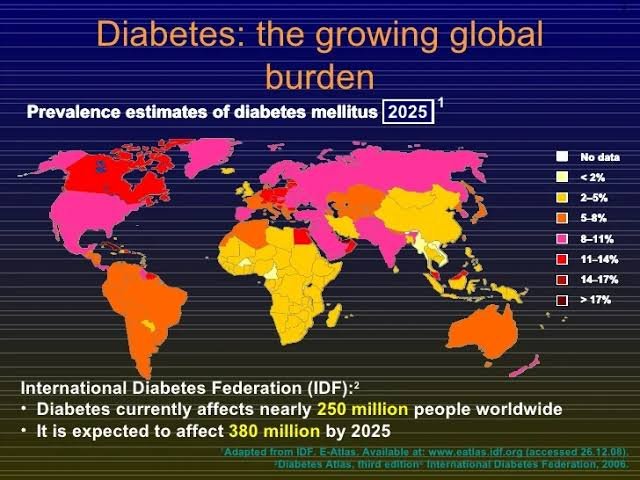

Diabetes is one of the world's most significant chronic diseases, affecting populations across every region. The condition occurs when the body cannot produce or effectively use insulin, leading to elevated blood glucose levels and an increased risk of complications.
Type 2 diabetes represents the majority of cases and is associated with a combination of genetic, metabolic and environmental factors. Obesity, physical inactivity and changes in dietary patterns are among the factors contributing to the growing global burden.
The consequences can be serious when diabetes is poorly controlled. Patients may face an increased risk of cardiovascular disease, kidney problems, vision loss and nerve damage, creating long-term demands on healthcare systems.
Access to essential medicines remains a major concern in many countries. Insulin and other treatments can be expensive or difficult to obtain, particularly where health systems have limited resources.
The WHO has recently placed greater attention on access to diabetes medicines, including the inclusion of selected GLP-1 therapies on its essential medicines list for specific high-risk groups with type 2 diabetes.
Countries including the United States are experiencing high demand for newer diabetes treatments, while lower-income countries continue to face challenges in providing basic care. The global response will require stronger prevention, early diagnosis and equitable access to treatment.