

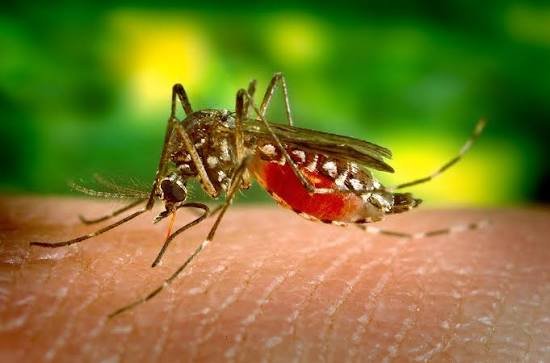

Mosquito-borne diseases remain a major health concern in many parts of the world. Dengue, malaria and other infections can place significant pressure on healthcare systems, particularly during periods of increased transmission.
Dengue has become an important concern in countries where mosquito populations thrive in warm and urban environments. The disease can cause high fever, severe pain and, in some cases, life-threatening complications.
Climate change is increasingly being examined as one factor that may influence the geographic distribution of disease vectors. Changes in temperature and rainfall can affect mosquito habitats and potentially alter transmission patterns.
The problem is particularly relevant to countries such as Brazil, where dengue outbreaks have repeatedly challenged public health authorities. Prevention efforts include mosquito control, surveillance and public education.
Malaria remains another major global concern, particularly in parts of Africa. Although important advances have been made in prevention and treatment, access to healthcare and effective interventions remains uneven.
The international response requires a combination of disease surveillance, vector control, vaccination where available and improved access to treatment. As environmental conditions change, health authorities will need to adapt strategies to protect vulnerable populations.