

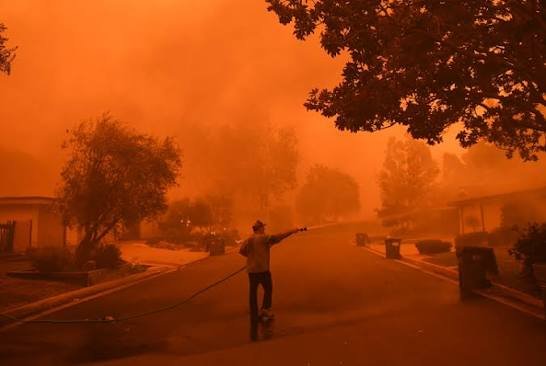

Climate change is increasingly being described as a health crisis because of its direct and indirect effects on human well-being. Extreme heat, air pollution, changing disease patterns and disruptions to food and water supplies are all influencing health risks in different regions.
The World Health Organization has warned that climate-related pressures can affect both individuals and healthcare systems. Hospitals and other facilities may themselves become vulnerable during heatwaves, floods, storms and other extreme events.
One of the most visible consequences is heat exposure. Prolonged periods of high temperature can increase the risk of cardiovascular and respiratory complications, particularly among older people and those living with chronic conditions.
Climate change can also influence infectious diseases. Changes in temperature and rainfall may alter the geographic distribution of mosquitoes and other vectors, potentially affecting the transmission of diseases such as dengue and malaria.
In May 2026, the WHO highlighted the growing importance of climate-resilient and low-carbon health systems. The organisation has also supported international efforts to address air pollution, which contributes to significant health burdens worldwide.
Countries across Europe, including those experiencing rapid temperature increases, are increasingly examining the health consequences of climate change. The challenge for governments is to reduce environmental risks while ensuring that healthcare systems are prepared for the conditions already affecting communities.