

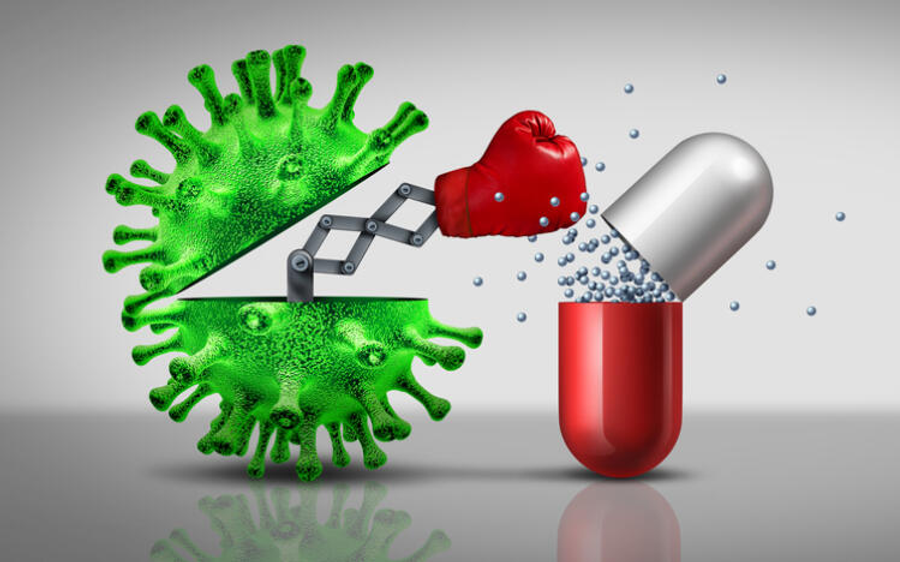

Antimicrobial resistance is increasingly recognised as one of the world's most serious health threats. The problem occurs when bacteria, viruses, fungi or parasites no longer respond effectively to medicines used to treat infections, making illnesses more difficult to manage and increasing the risk of severe disease.
According to the World Health Organization, bacterial antimicrobial resistance was associated with more than 4.7 million deaths globally in 2021. The organisation also reported that approximately one in six laboratory-confirmed bacterial infections worldwide was resistant to antibiotics in 2023.
The consequences extend beyond infectious disease treatment. Modern medicine relies heavily on effective antibiotics for surgery, cancer treatment, organ transplantation and other procedures. If resistance continues to increase, treatments that currently depend on infection control could become more complicated and dangerous.
In May 2026, countries meeting at the World Health Assembly adopted an updated Global Action Plan on Antimicrobial Resistance covering the period from 2026 to 2036. The strategy follows a One Health approach, recognising that antimicrobial resistance affects humans, animals, food systems and the environment.
Prevention remains a central part of the international response. Vaccination, infection prevention, improved sanitation, appropriate prescribing and responsible use of antimicrobial medicines can all help reduce the development and spread of resistance.
Countries including Argentina, where scientists monitor resistant bacteria through national and regional surveillance systems, are part of a broader global effort to track the problem. The challenge now is to turn international commitments into practical action capable of preserving effective treatments for future generations.