

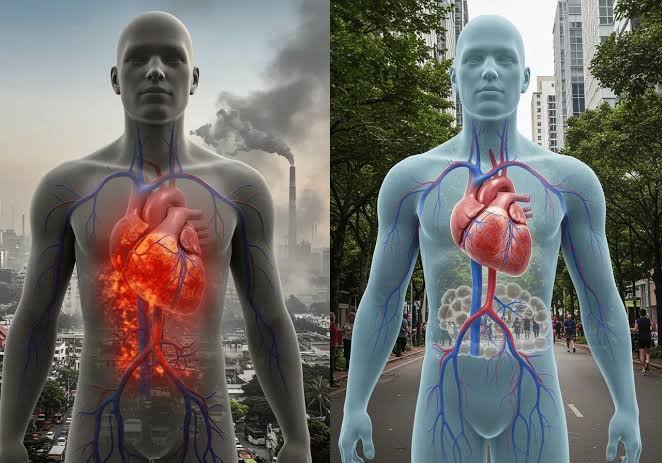

Air pollution is one of the most significant environmental risks to human health. Exposure to polluted air can affect the respiratory and cardiovascular systems and is associated with a range of chronic health conditions.
Urban populations can be particularly exposed because of traffic emissions, industrial activity and other sources of pollution. Children, older adults and people with existing respiratory conditions may be especially vulnerable.
The health consequences extend beyond the lungs. Scientific evidence has linked exposure to air pollution with cardiovascular disease and other chronic conditions, making clean air an important component of preventive healthcare.
The World Health Organization has been working with countries to reduce the health impacts of air pollution. In 2026, the organisation highlighted an updated global roadmap focused on reducing health consequences associated with poor air quality.
Countries across Europe have introduced different policies aimed at improving air quality, while cities elsewhere are also examining transport and energy strategies. The effectiveness of such measures can have direct consequences for population health.
Reducing air pollution requires cooperation between health, environmental, transport and energy authorities. The issue demonstrates how public health increasingly depends on policies that extend beyond hospitals and clinics.