

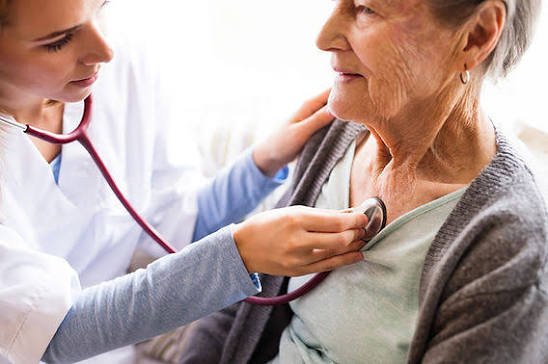

Population ageing is changing healthcare needs in countries around the world. As people live longer, health systems are increasingly required to manage chronic conditions and provide long-term support for older adults.
Ageing itself is not a disease, but the likelihood of developing conditions such as dementia, cardiovascular disease and neurological disorders increases with age. This creates growing demand for specialised healthcare and social support.
Dementia has become a particularly important concern. Conditions such as Alzheimer's disease can affect memory, independence and quality of life, while placing significant emotional and financial pressures on families and care systems.
The World Health Organization has also highlighted the need to strengthen healthcare systems capable of responding to the needs of older populations. This includes training healthcare workers and improving access to appropriate medicines and community-based services.
Countries such as Japan, where population ageing is particularly advanced, have become important examples of how health systems are adapting to demographic change. Other countries are expected to face similar challenges as life expectancy increases.
The future of healthcare will therefore require a stronger focus on healthy ageing. Prevention, early diagnosis and integrated care could help older people remain independent for longer while reducing pressure on hospitals and families.