

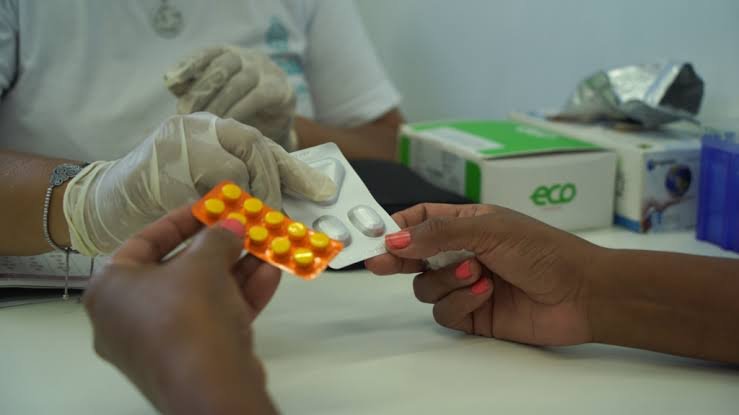

Access to essential medicines is a fundamental component of effective healthcare. Yet millions of people worldwide continue to experience difficulties obtaining treatments because of cost, availability or weaknesses in health systems.
The problem affects both infectious and chronic diseases. Patients may have access to healthcare facilities but still be unable to receive appropriate treatment if essential medicines are unavailable or unaffordable.
The World Health Organization has repeatedly emphasised the importance of universal access to essential medicines. The organisation's essential medicines list is used as a reference by countries when developing national health policies and procurement systems.
Recent decisions involving diabetes medicines and cancer treatments have renewed discussion about how international health systems can improve access to expensive therapies. The inclusion of selected medicines on global essential lists can help establish priorities for national health systems.
However, affordability remains a major barrier. Countries with limited healthcare budgets may struggle to purchase newer treatments, while patients can face significant costs when medicines are not covered by public health programmes.
The challenge is particularly relevant to countries with lower health expenditure. Improving access will require stronger procurement systems, sustainable financing and international cooperation to ensure that medical advances benefit patients across different economic settings.